What Does the Car with Key Symbol Mean? Understanding immobilizer fault Nissan
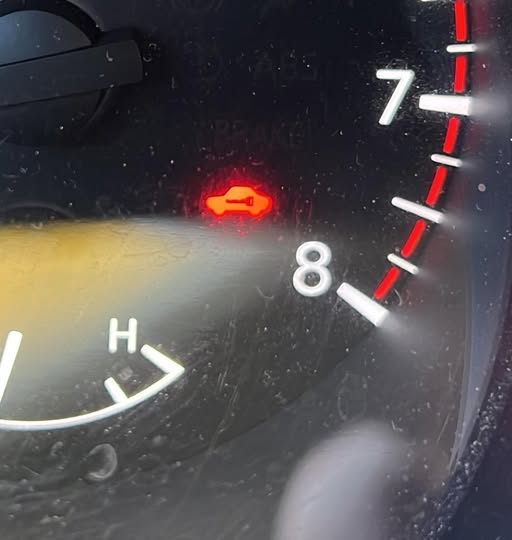
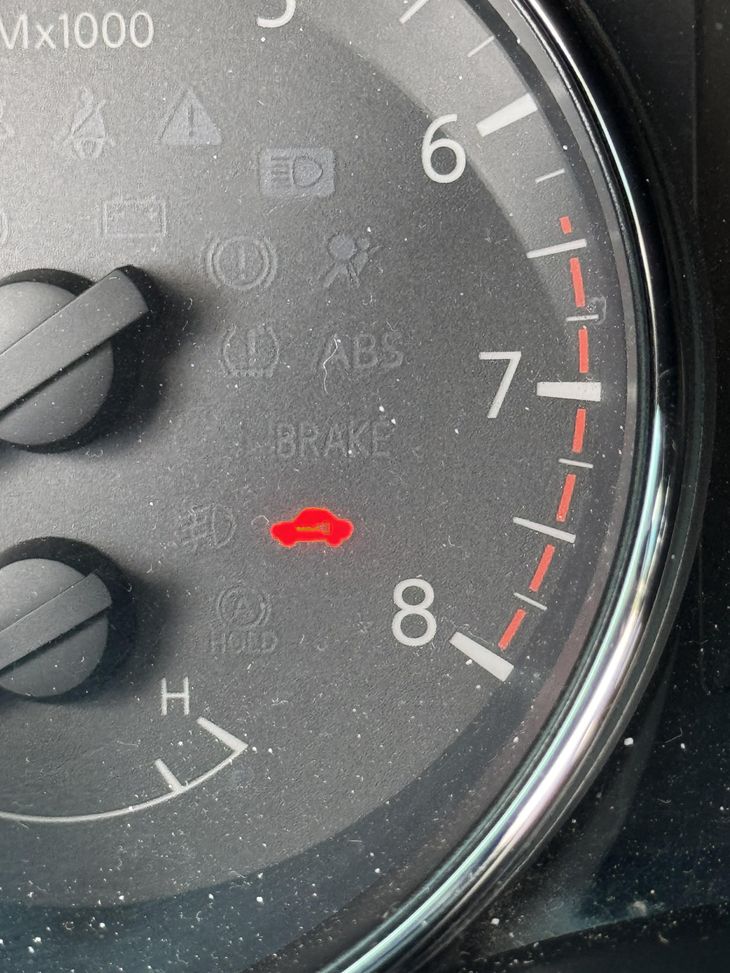
If you drive a Nissan and a dashboard warning light shaped like a car with a key inside it has appeared, you are probably looking at an immobilizer fault Nissan owners often encounter. This symbol is not something to ignore, but it does not always mean a major breakdown. Understanding what it signals and what steps to take can save you time, money, and a frustrating morning when the engine won't start.
What the Car with Key Symbol Actually Means
The car with key icon is part of the Nissan anti-theft system, specifically the immobilizer system. When this dashboard warning light stays on or flashes, it indicates that the security system has not recognised the key fob or the transponder chip inside it. In plain terms, the vehicle thinks someone is trying to start it without the authorised key, so it blocks the engine start.
This immobilizer system works by reading a unique code from the transponder chip in your key fob. If the code matches what the ECU expects, the system allows the ignition and starter motor to operate. If the code is missing, incorrect, or the ECU cannot communicate with the key fob, the system interrupts the starting process. The result is a car that turns over but will not fire, or in some models, does nothing at all when you turn the key.
Common Causes of an immobilizer fault Nissan
When you see an immobilizer fault Nissan situation, the cause is usually one of a few straightforward issues. They are worth checking before you assume something expensive has failed.
Weak or Dead Battery in the Key Fob
The most common culprit is a low battery inside the key fob. The transponder chip needs power to send its signal. When the battery drops below a certain voltage, the signal weakens. The immobilizer system may detect the signal intermittently or not at all. If you notice that the car starts sometimes but not others, or the distance at which keyless entry works has shrunk, start by replacing the key fob battery. It is a cheap and easy fix that resolves a surprising number of these faults.

Key Fob Damage or Water Exposure
Key fobs get dropped, sat on, or left in a wet pocket. The transponder chip inside is durable but not indestructible. If the chip cracks or the internal connections corrode, it stops transmitting the correct code. The immobilizer system then sees an unrecognised key and triggers the car with key warning. If replacing the battery does not help, the fob itself may be the problem.
ECU Communication Issues
Sometimes the fault is not with the key fob but with the ECU or the antenna that reads the key. The ECU is the brain of the Nissan anti-theft system. If it loses power, suffers a software glitch, or has a wiring fault, it may fail to recognise a perfectly good key fob. Fault codes stored in the ECU can sometimes tell a mechanic exactly what went wrong. A diagnostic tool plugged into the car's port can read these fault codes and point to the root cause faster than guesswork.
Starter Motor or Ignition Problems Mimicking Immobilizer Faults
Not every no-start condition is an immobilizer fault Nissan. A failing starter motor, a worn ignition switch, or a corroded battery terminal can make the car behave exactly as if the security system has locked it out. Before you replace a key fob or ECU, make sure the battery is fully charged and the connections are clean. It is also worth confirming that the starter motor is receiving power when you turn the key. A multimeter or a simple voltage test can rule out these mechanical issues quickly.
How to Diagnose an immobilizer fault Nissan Yourself
You do not always need to visit a Nissan service right away. Some checks are safe to do at home with basic tools and a bit of patience.
Start by looking at the dashboard warning light. Does it flash steadily, or is it solid? A steady light often means the system has detected a fault. A flashing pattern can sometimes indicate a specific problem code. Check your owner's manual for the exact meaning of the pattern for your model.
Next, try the spare key fob if you have one. If the spare works normally, the fault is almost certainly with the original fob, not the car. If neither fob works, the problem is likely in the vehicle's security system or ECU.
You can also test the key fob battery with a small voltmeter. Most fobs use a coin cell battery, and the voltage should be near its rated value. If it reads low, replace it. Even if the battery seems fine, sometimes the contacts inside the fob get bent and lose connection. Open the fob, check the contacts, and gently bend them back into place if needed.
If those steps do not work, try disconnecting the car battery for about ten minutes. This can reset the ECU and clear temporary glitches in the immobilizer system. Reconnect the battery and try starting the car. This is not a guaranteed fix, but it costs nothing and works often enough to be worth the effort.
When to Call a Professional
If the car with key symbol stays on after trying the basic checks, it is time to involve someone with the right tools. An automotive locksmith can often reprogram a key fob or replace a faulty transponder chip on the spot. They carry specialist diagnostic tools that can communicate with the Nissan security system and read fault codes that home testing cannot access.
A Nissan service centre has the factory-level diagnostic equipment needed to re-sync the key fob with the ECU. If the ECU itself has failed, they can replace it and program the new unit to work with your existing keys. This route tends to be more expensive but is sometimes the only way to fix deeper issues in the SRS system or the broader Nissan anti-theft system.
Be aware that some aftermarket or cloned key fobs can cause intermittent immobilizer fault Nissan warnings. The security system is picky about the code format. A key duplicated by a general locksmith may work for a while and then fail, especially after the ECU goes through a power cycle. For reliable operation, stick to genuine Nissan keys or have an automotive locksmith who specialises in Nissan security program a compatible blank.
Preventing Future Immobilizer Problems
Once you have the fault cleared, a little prevention goes a long way. Replace the key fob battery every couple of years, even if it still seems to work. Keep the fob dry and avoid carrying it loose in a pocket with coins or keys that can scratch the internal components. If you have only one key fob, get a spare programmed and keep it in a safe place. Losing a fob when the immobilizer system is already acting up turns a small problem into a big one.
If your Nissan is older, the ECU firmware may have been updated over the years. A Nissan service can check whether your car has the latest software. Some updates improve how the immobilizer system handles weak signals, which can reduce the number of false alarms.
Understanding what the car with key symbol means takes the panic out of seeing it. In most cases, an immobilizer fault Nissan is a minor communication issue between the key fob and the car, not a sign of a dying engine or a ruined starter motor. A fresh battery, a clean connection, or a reset often sorts it out. When those steps fail, a professional with a diagnostic tool can usually locate the exact fault code and get you back on the road without replacing the entire security system. Knowing this, you can approach that yellow icon with confidence instead of dread.